With an increasing demand for AI-literate people, students worldwide are considering the best places to obtain education and training in this exciting discipline.
Throughout the last decade, mainstream university computer science programs began to include AI concentrations within their curricula. While that happened, several universities have offered stand-alone AI undergraduate- and graduate-level degrees. Carnegie Mellon had a BS in AI as far back as 2018; since then, other names like University of Pennsylvania and Rice University have followed with their own courses. They stress fundamental subjects such as robotics, machine learning, algorithms, ethical, social, and interdisciplinary issues.
Under this article, we discuss famous destinations to study AI worldwide, list the top 5, and provide some considerations to select from based on research ambiance, industry connections, and the philosophy of instructing.
What Makes up a "Best Place" to Study AI?
To evaluate an institution’s strength in AI, consider:
- By the quality of research: The research trailblazing innovation and excavation of areas such as deep learning, computer vision, and generative AI.
- By the impact of Faculty and Alumni: Are there Nobel laureates or AI leaders? (Geoffrey Hinton, for instance, has been involved in co-developing the AlphaFold research, and has taught at Toronto and Cambridge).
- Interdisciplinary approach: Here the offices of ethics, philosophy, business, and policy intermingle.
- Industrial Collaboration: Technology center access, employment, and internship opportunities, shared laboratories (e.g., Schwarzman College at MIT with CSAIL and MIT–IBM Watson AI Lab).
- International Outlook: Student population from all across the globe, experience with varied industries, and exorbitant support from government and industry.
Top 5 AI Study Locations Around the Globe
1. Massachusetts Institute of Technology (MIT) - Cambridge, USA
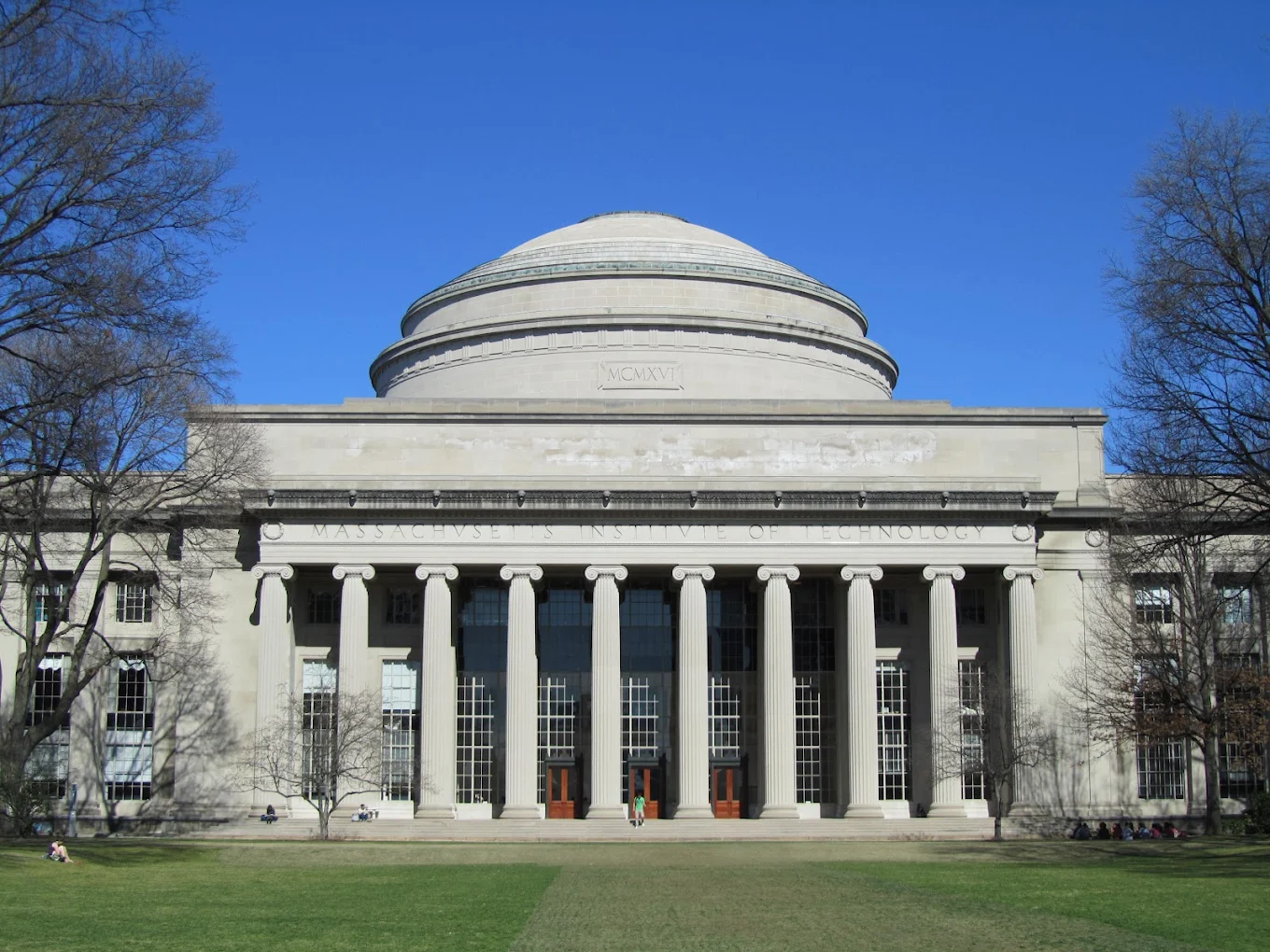
MIT is the nexus of AI research and education and houses Schwarzman College of Computing alongside CSAIL. As one of the biggest and most influential AI research laboratories in the world, CSAIL stands across the full spectrum of multidisciplinary work with primary domains being systems, robotics, language, and theory. The environment of innovation developed at MIT is fostered by various faculty research initiatives such as MIT–IBM Watson AI Lab and IMARA outreach activities.
2. Stanford University - Stanford, USA
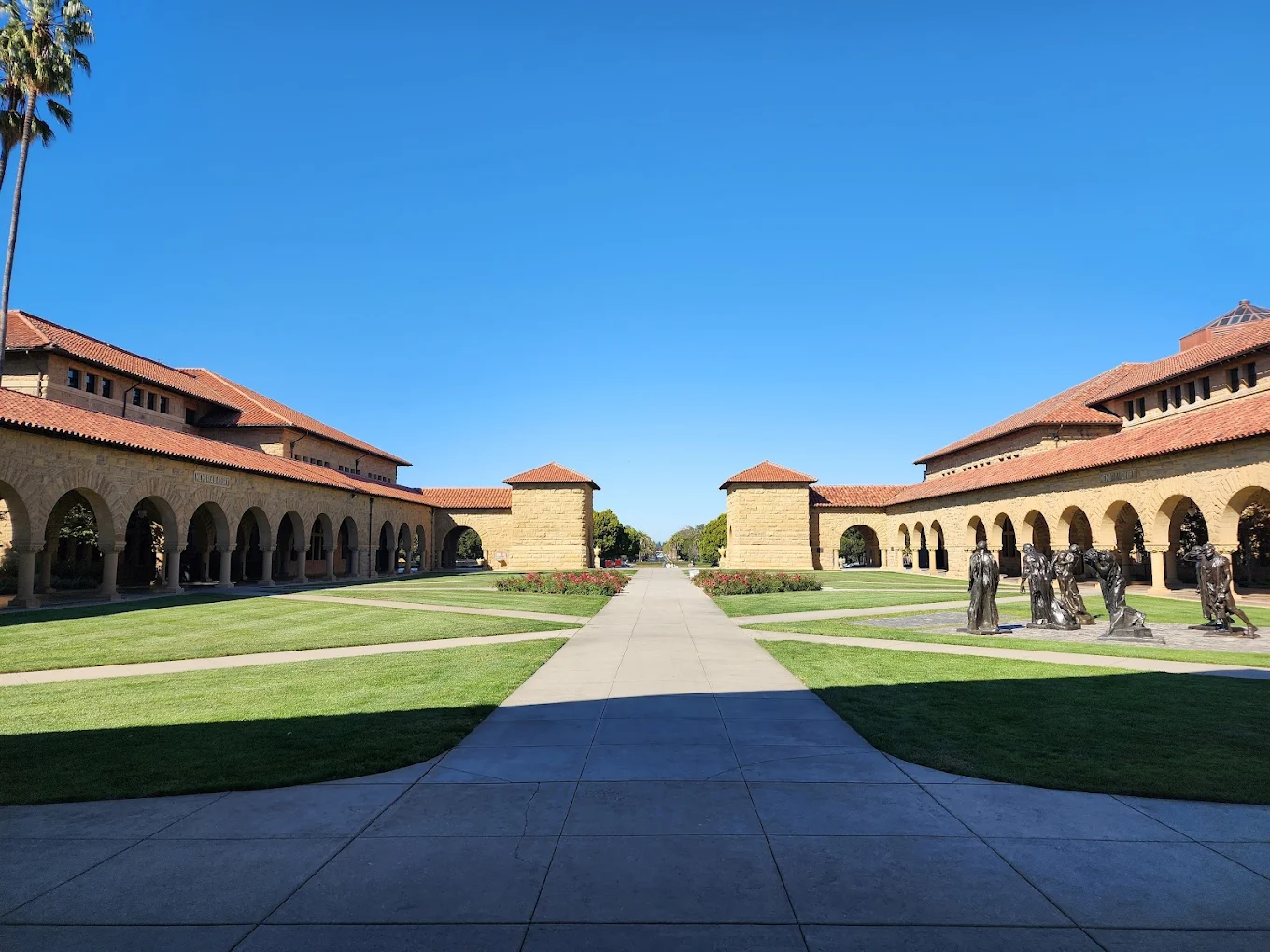
Due to its location at the Silicon Valley, Stanford AI Lab (SAIL) is right in the middle of academic research and professional networking. It offers rigorous interdisciplinary offerings in computer science, neuroscience, and engineering to ensure that students graduate with practical experience and ethical awareness to intern at big tech companies.
3. University of Melbourne, Australia

Artificial intelligence research is a particular force at the University of Melbourne. Different approaches to AI are considered by researchers, including deep learning, data mining, machine learning, natural language processing, and agent-based systems. Their theories and techniques can be applied to a large number of practical problems in cybersecurity, health, finance, and government.
Melbourne is also home to an IBM-ARC Training Centre for Cognitive Computing for Medical Technologies, which further advances their research with the practical advantage of addressing real critical needs in medicine and health.
4. University of Technology Sydney, Australia

Studying AI at the University of Technology Sydney presents a unique opportunity to learn from leading experts in an ever-changing landscape, to gain practical experience with latest technologies, and to develop skills which are highly desired in various industries. UTS has a reputation in practice-oriented learning, industry linkages, and preparing students for the evolving means of work in AI and allied fields.
5. University of Oxford — Oxford, UK
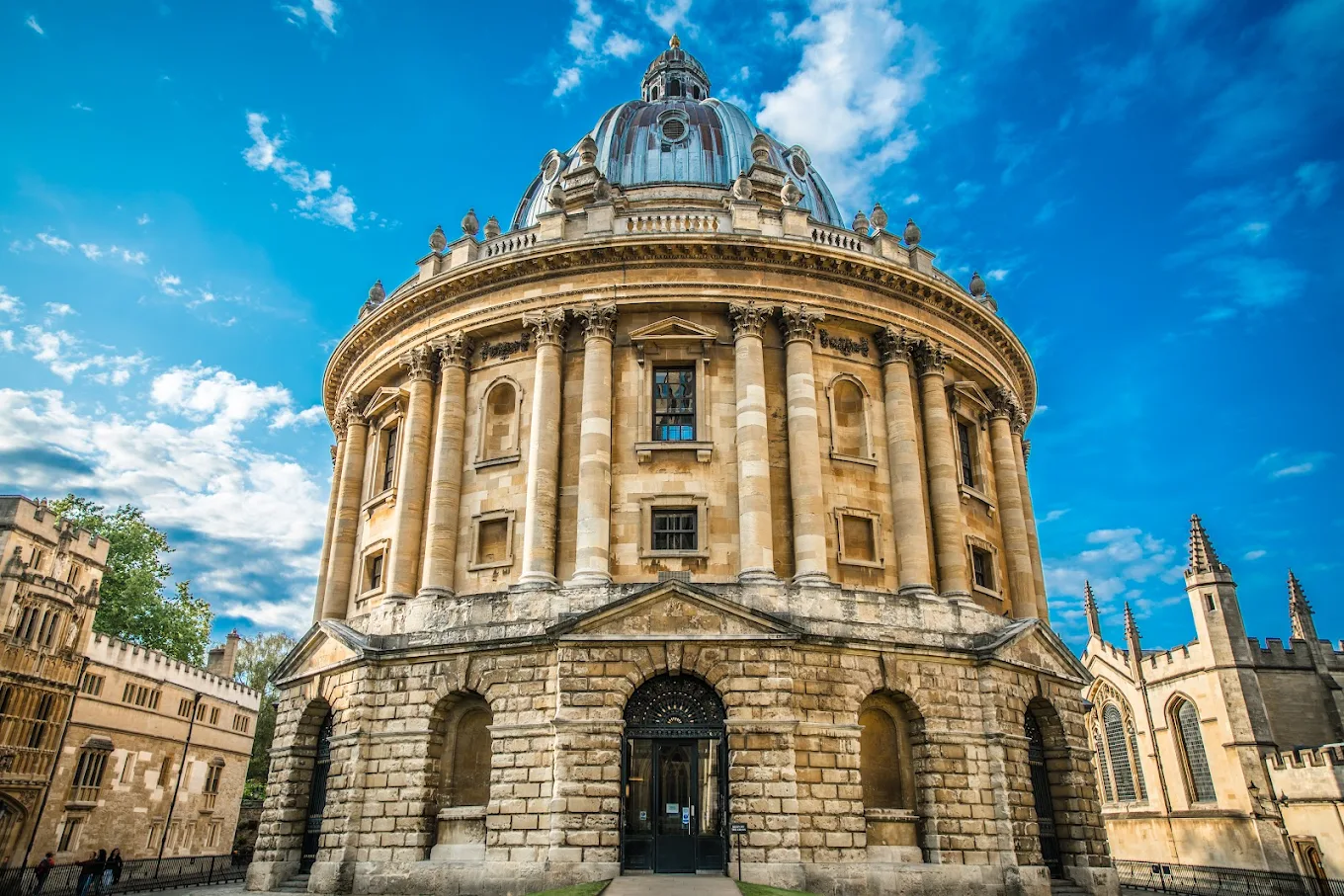
Oxford excels with both technical rigor and the ethical, philosophical, and societal sides of AI. Its AI course is demanding and includes robotics and machine learning. Its Philosophy of AI course covers ethical technology, and the AI for Social Good course readies one to address global and moral challenges. Oxford also features a demanding executive AI program. QS and THE rankings propel it upwards, and it remains an international AI leader.
Honorable Mentions from Around the World
1. ETH Zurich — Zurich, Switzerland
Among the top 10 globally within AI and data sciences, ETH Zurich offers interdisciplinary MSc and PhD studies and maintains an AI Center with expertise in robotics, generative AI, and computer vision.
2. National University of Singapore (NUS) - Singapore
An Asian leader, NUS has whole master's and research institutes dedicated to AI and data science. Specializes in ML, NLP, ethics, and smart-city applications.
3. University of Toronto — Toronto, Canada
Carries out deep learning research with Geoffrey Hinton and the Vector Institute. Offers engaged degree programs and abundant research/intern experience.
4. University of Cambridge — Cambridge, UK
Ethical, philosophical, as well as technical solutions are promoted by Cambridge through its Department of Computer Science and Leverhulme Centre for the Future of Intelligence.
5. Mohamed bin Zayed University of Artificial Intelligence (MBZUAI) - Abu Dhabi, UA
Started in 2019 as the first graduate AI university; now starting to offer undergrad programs (2025) under a global faculty whose lead AI pioneer is Eric Xing.
6. Tsinghua University, Beijing, China
China's best AI school, closely tied with Baidu, Alibaba, Tencent; well-known for foundational research, strong graduate programs.
Choosing the Right Location
- Curricular Focus: Would you rather go for strong highlights concerning the deep-learning aspect or one that broadly deals with policy and ethics?
- Degree Level: Mostly Masters/PhDs; some do have, e.g., CMU, Penn, MBZUAI, Oxford, undergrad AI degrees offered.
- Industry Access: The U.S. West Coast universities would directly link one up with the tech industry; government support is emphasized at Abu Dhabi and Singapore.
- Interdisciplinary Approach: Ethics, policy, healthcare, and philosophy, in these UK and Swiss universities, get all incorporated into their AI offerings.
- Cost & Funding: US and UK choices are likely to cost more; Canadian and European nations may have lower funding or scholarships.
Emerging Trends in Artificial Intelligence Education
- Specialized degrees: More and more, universities now offer complete AI degrees instead of embedding AI within CS majors.
- Ethics and Responsible AI: Ethics, bias, and social responsibility are features of programs—more so in countries like the UK and US.
- Global AI Universities: MBZUAI, Symbiosis (India), and NUS are some of the universities impacting regional and international AI markets.
- Interdisciplinary campuses: AI laboratories now operate in close collaboration with neuroscience, social sciences, robotics, and biotech—for instance, the vision and biology laboratories at MIT CSAIL.
Conclusion
Since AI degrees are so varied, it does not really make sense to choose the "best" university in general. The universities mentioned here all have consistently high rankings for academics, research, and cross-disciplinary opportunities.
- Mostly research-oriented, with a Silicon Valley linkage: MIT, Stanford, and UC Berkeley.
- For robotics and high-intensity applications: Carnegie Mellon.
- For ethical and philosophical AI, together with generalist AI: Cambridge and Oxford.
- For access to European innovation hubs: ETH Zurich.
- For the new major global AI expert institutions: MBZUAI, Tsinghua, NUS, and Toronto.
Each institution strengths AI in a different way so think about how these might translate for you, either theoretical academia, ethical leadership, entrepreneurship or international policy development, and apply to a program that reflects those strengths.